20 years in the industry · CITB certified
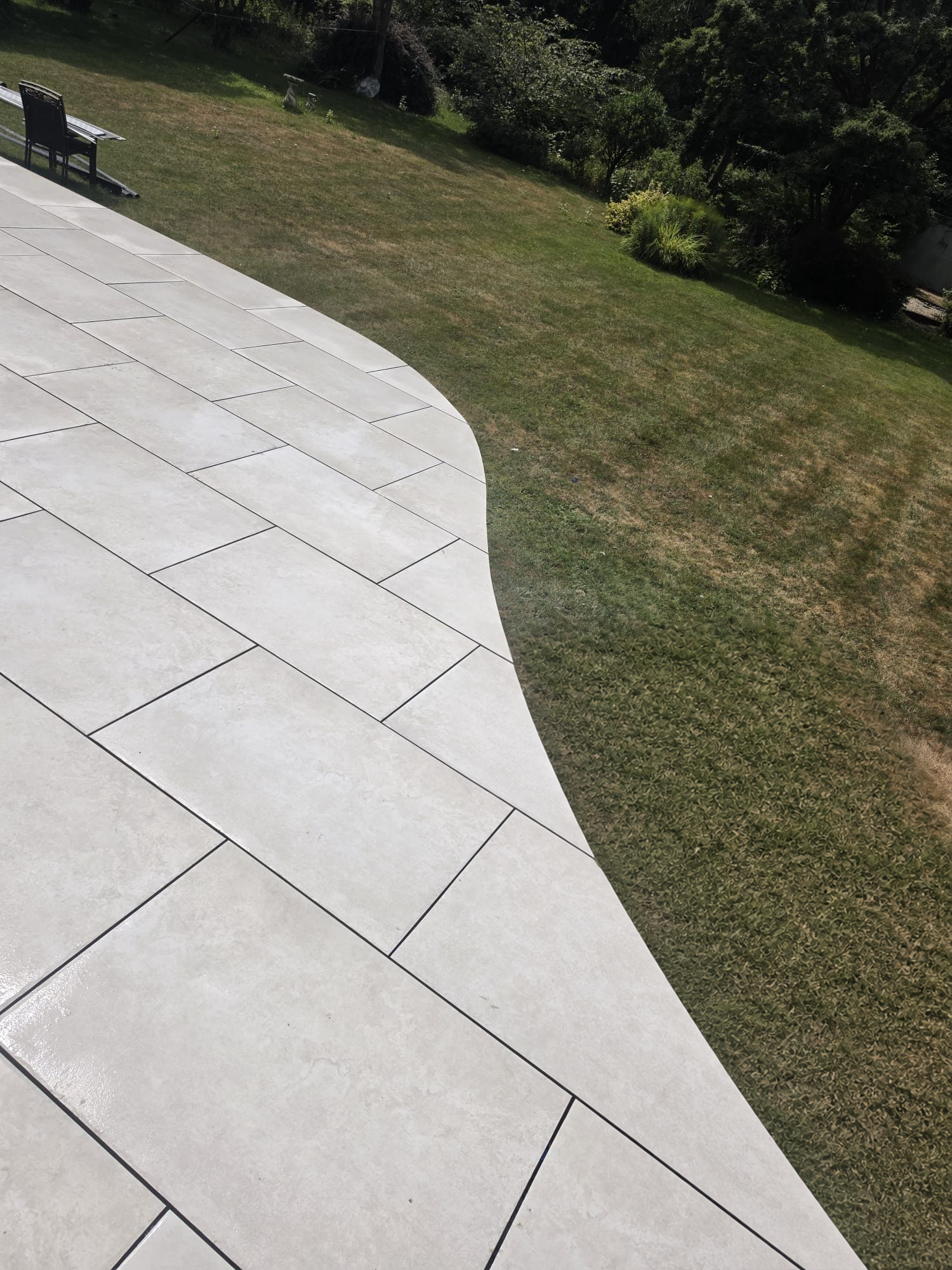
Curved porcelain paving beside a lawn with garden shrubs

Porcelain pavingOutdoor spacesMonmouthshire

Residential landscaping with a particular focus on porcelain paving, planned around your home, garden levels and everyday use.

20 years in the industry · Free, no-obligation site visit

  • 20 years

    In the industry

  • CITB

    Certified

  • Insured

    Public liability insurance

  • Guarantee

    Workmanship guarantee offered

Landscaping & Porcelain Paving

A practical approach to your garden

A useful outdoor space starts with how you want to spend time there. You might need a level-feeling place for a table, a clearer route from the house or a garden layout that is easier to look after. JSP Building Contractors Ltd undertakes residential landscaping, specialising in porcelain paving, with the practical groundwork considered alongside the finished appearance.

JSP is based in Monmouth and led by Jake Priddle, with a team of four and 20 years in the industry. The first conversation is about the existing garden, what needs to change and the style of space you would like. Site levels, access, drainage and the relationship with the house help shape a proposal that suits the property.

The team works across Monmouthshire and South East Wales, including Monmouth, Abergavenny, Chepstow, Caldicot, Usk, Cwmbran, Newport and Cardiff. A compact courtyard has different demands from a larger garden or a front approach. Every driveway, patio or path needs its own assessment of use, loading and construction.

JSP is CITB certified and carries public liability insurance. A workmanship guarantee is offered; ask Jake about terms. Free quotes and no-obligation site visits provide a straightforward starting point. Use the visit to discuss layout, material choices, preparation and the extent of the landscaping, so the proposal is based on your actual site rather than a generic paving package.

Before you start

What needs to change?

Start with the parts of your home that are not working for you. A no-obligation site visit lets Jake see the conditions, discuss your priorities and explain the next steps.

An uneven or tired patio

Rocking slabs, awkward patches and worn surfaces can make an outdoor area less useful. Replacing the visible paving may not be enough if the supporting layers or drainage are unsuitable. Discuss the condition of the existing area and whether removal and reconstruction need to form part of the proposed work.

Water collecting near the house

Puddles and runoff deserve attention before the new paving is selected. Levels, surface falls and a suitable drainage destination all matter. Explain where water collects after rain and any history of damp near the building, so the proposal can consider the relationship between the garden and the house.

A layout that wastes usable space

A patio may be too narrow for chairs to move comfortably or leave an awkward step on the main route. Plan furniture, circulation and changes of level together. The most useful layout is often the one that fits ordinary activities rather than filling every available area with hard surfacing.

A garden that is difficult to maintain

Muddy routes, scattered surface materials and hard-to-reach corners can add work to everyday gardening. A more coherent layout may help, but paving is not maintenance-free. Discuss realistic cleaning, planting edges and access needs so the proposed changes reduce the problems you actually experience rather than simply changing the appearance.

Our process

How your landscaping & porcelain paving project runs

  1. 01

  2. 02

  3. 03

  4. 04

  5. 05

What you get

The benefits of one coordinated team

Porcelain paving as a specialism

Discuss porcelain with a team that focuses on its use in residential landscaping. Material selection and installation details should be considered together rather than treating the slab as the whole solution.

A layout based on daily use

Plan room for chairs, doors and routes before settling the paved footprint. This helps the finished area serve your household rather than simply follow the outline of an existing patio.

Ground preparation kept in view

A neat surface depends on appropriate supporting construction. The proposal should consider the ground and intended use, not just the colour and pattern visible at the end.

Drainage discussed from the start

Consider where rainwater will go before agreeing finished levels. Paving, garden features and the house need to work together rather than passing a water problem from one place to another.

Local assessment of your site

A visit in Monmouthshire or South East Wales allows Jake to see exposure, access and changes of level first-hand, making the discussion more useful than advice based only on photographs.

A free starting conversation

Explore the project through a free quote and no-obligation site visit. Ask about the proposed scope, choices and practical arrangements before deciding whether the work is right for you.

In detail

Planning the work properly

The visible finish matters, but so do the materials and preparation underneath it. These are the decisions to work through before agreeing the scope.

Choosing outdoor porcelain

Porcelain offers a range of colours, sizes and surface appearances, but outdoor suitability needs checking for the particular product. Discuss slip-resistance information, intended use and how the material behaves when wet. A sample viewed outdoors can be more useful than a photograph, especially when comparing it with brickwork, render or existing garden materials.

Slab dimensions affect the pattern, number of cuts and the appearance of smaller areas. A large format can look simple in an open space but require careful setting out around corners, drains and steps. Consider joint colour and edge details at the same time, and ask about cleaning guidance for the proposed surface.

Groundwork and laying methods

The required preparation depends on the existing ground and the use of the finished area. Removing an old patio can reveal soft spots, unsuitable fill or other conditions that were not visible during the first visit. The scope should explain the proposed build-up while recognising that concealed ground conditions may require a further discussion.

Porcelain paving needs an installation method suited to the product, including an appropriate supporting bed and bonding approach. Jointing and movement details also need consideration. These are not interchangeable finishing choices: compatibility between materials and the conditions in which they are installed matters to the performance of the complete paved area.

Levels, drainage and the house

Finished paving levels need careful consideration around doors, air bricks and damp-proof courses. A desire for a visually continuous route from inside to outside does not remove the need to manage water and protect the building. Any proposed step-free arrangement needs its own detailing rather than simply raising the garden surface to a threshold.

Rainwater should have a suitable destination, with surface falls and drainage features considered as part of the design. Local ground conditions influence whether infiltration is appropriate. For front gardens and driveways, drainage and planning requirements may affect the options; clarify what applies before choosing the surface or agreeing where runoff will go.

Gardens, approaches and Welsh weather

A patio for people and furniture is a different proposition from an area used by vehicles. Not every porcelain slab is suitable for a driveway, so the product and base are chosen for the load. Product suitability, loading, construction and drainage all need confirmation for that specific use.

Wet weather in Monmouthshire and South East Wales makes drainage, surface grip and maintenance important considerations. Shaded areas may stay damp longer, and fallen leaves or algae can affect the surface underfoot. Plan how the area will be cleaned and used through the seasons, and discuss whether planting, boundaries or exposure create particular conditions on your site.

Questions

Landscaping & Porcelain Paving: common questions

How much does porcelain paving cost?

+

The cost depends on the area, paving choice, access, excavation and supporting construction. Levels, drainage, steps and removal of existing materials can change the scope substantially. A free site visit lets Jake assess the garden and provide a quote for the agreed work rather than relying on a price per square metre without context.

How long will the landscaping take?

+

The programme depends on the size and complexity of the work, access, material availability, weather and ground conditions. Drainage changes or unexpected buried features can affect the sequence. A free site visit gives Jake a basis for the quote and a discussion of the proposed arrangements, without promising a duration before the site is assessed.

Is porcelain paving slippery in wet weather?

+

That depends on the particular product, surface finish and conditions. Ask for outdoor suitability and slip-resistance information for the proposed paving rather than assuming all porcelain performs alike. Drainage and maintenance matter too: standing water, leaves and surface growth can affect how an area feels underfoot, especially in shaded parts of the garden.

Can porcelain be laid over my existing patio?

+

Do not assume the existing patio is a suitable base. Its stability, construction, levels and drainage need assessment, along with the requirements of the proposed paving system. Covering a defective surface can retain the original problem. Jake can discuss whether removal and new supporting construction should form part of the quote.

Do you undertake driveway projects as well?

+

JSP undertakes residential landscaping, including driveways. Discuss your proposed driveway with Jake so loading, access, surface choice and drainage can be assessed. A patio specification should not simply be transferred to a vehicle area, and the suitability of any porcelain product for that use needs checking.

Will the paving need maintenance?

+

Yes. Porcelain is not maintenance-free, even where the chosen product is straightforward to clean. Leaves, dirt and organic growth still need attention, and cleaning products should suit the surface and jointing material. Ask for care guidance for the selected products and discuss shaded or persistently damp areas when planning the layout.

Which areas do you cover?

+

JSP is based in Monmouth and works across Monmouthshire and South East Wales, including Abergavenny, Chepstow, Caldicot, Usk, Cwmbran, Newport and Cardiff. Send Jake your location and a description of the landscaping or paving you have in mind to discuss a free quote and no-obligation site visit.

Are you insured, and do you guarantee the work?

+

JSP carries public liability insurance and is CITB certified. A workmanship guarantee is offered; ask Jake about terms. Request the relevant documentation and clarify the agreed scope before proceeding. Any product warranty should be considered separately, including its care requirements, rather than assuming it has the same terms as the workmanship guarantee.

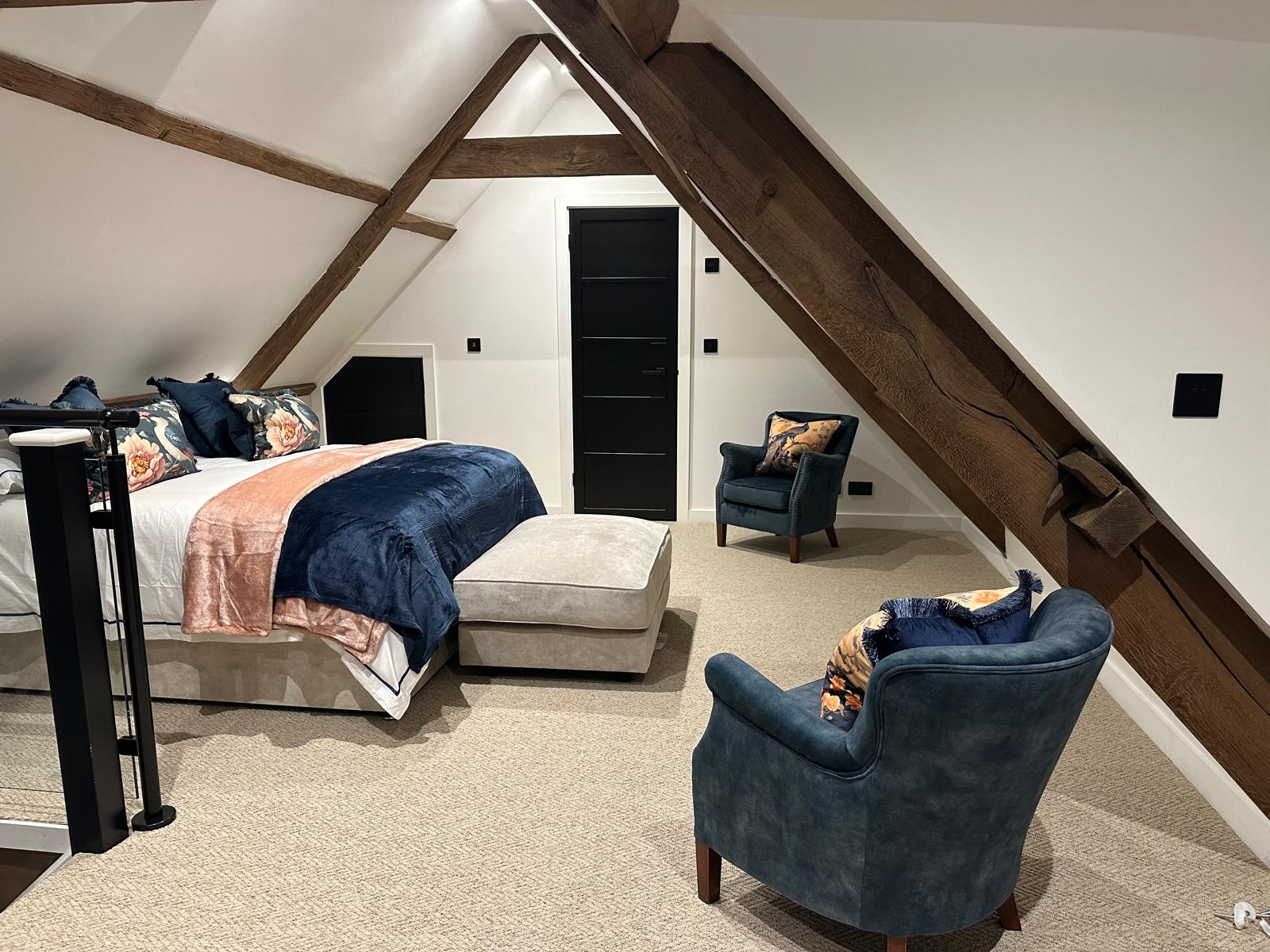
Converted loft bedroom with exposed timber beams | JSP Building Contractors Ltd

Plan a more useful outdoor space

Talk to Jake about residential landscaping and porcelain paving for your home. Arrange a free, no-obligation site visit to discuss the layout, preparation and materials, with a quote based on the work you agree.

CITB certified · Public liability insurance · Workmanship guarantee offered

One team. Your whole project.

Turnkey residential renovation and extension projects across Monmouthshire and South East Wales.

Call JakeRequest Estimate