20 years in the industry · CITB certified
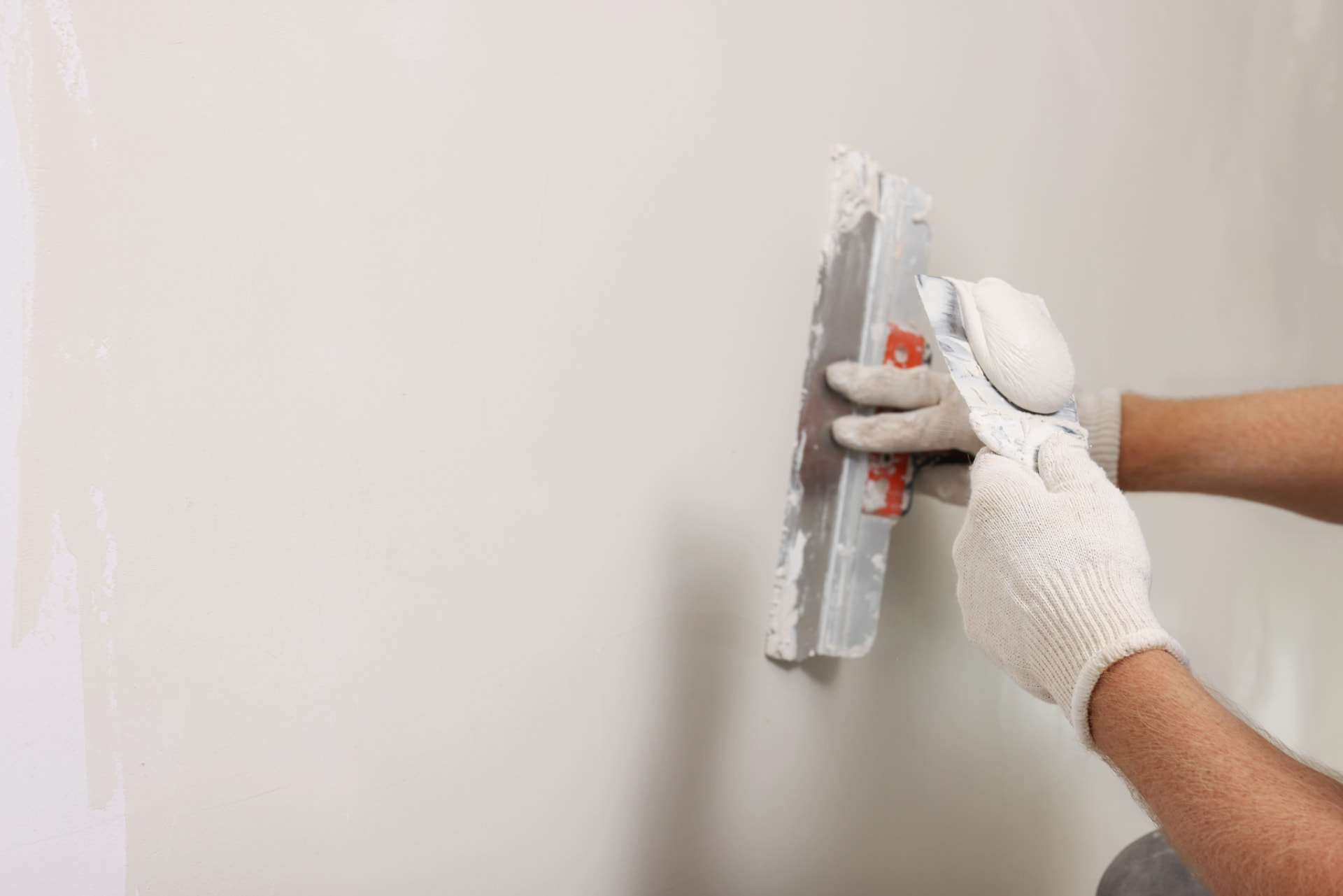
Gloved hands applying plaster to an interior wall with a plastering trowel

PlasteringFor Walls & CeilingsMonmouthshire

Prepare tired walls, altered rooms and repaired ceilings for the next stage of your home improvement.

20 years in the industry · Free, no-obligation site visit

  • 20 years

    In the industry

  • CITB

    Certified

  • Insured

    Public liability insurance

  • Guarantee

    Workmanship guarantee offered

Plastering

Work planned around your home

Fresh plaster can change how a room feels, but a sound finish depends on what is underneath it. Loose material, movement, moisture and incompatible old repairs need consideration before a wall is skimmed or a ceiling is covered. JSP discusses plastering as part of the building rather than a cosmetic answer to every defect. At the site visit, show Jake the areas that concern you and explain whether you are decorating, repairing damage or completing a wider renovation.

JSP Building Contractors Ltd is based in Monmouth and led by Jake Priddle. Jake leads a team of four, bringing 20 years in the industry to conversations about your home. JSP is CITB certified and carries public liability insurance. You can ask Jake about the cover relevant to your project and the workmanship guarantee offered, including its terms. The starting point is a free, no-obligation site visit: a chance to look at the existing building, explain what you want to change and understand what the proposed work involves.

A customer review mentions plastering alongside carpentry and loft work, showing how finishing work can be part of a broader home project. Your own quote should identify the surfaces involved, the preparation and the intended result. A small repair, a room skim and work following a layout change each raise different questions about background condition, junctions and decoration. Agree those details before assuming that the same treatment is appropriate across every wall in the house.

JSP works on residential projects in Monmouth, Abergavenny, Chepstow, Caldicot and Usk, as well as Cwmbran, Newport and Cardiff. Across Monmouthshire and South East Wales, houses differ in age, construction and previous alterations. A stone cottage needs a different conversation from a modern extension or a house that has already been remodelled. Tell Jake about any known damp, previous repairs, restricted access or plans for adjoining rooms so these can be considered before the scope is agreed.

Before you start

When it is worth discussing the work

Bring the practical frustrations as well as your ideas to the site visit. These are useful starting points for deciding what the project needs to achieve.

Walls that show every old repair

Patches, chases and uneven texture can become more obvious under fresh paint. The starting point is checking whether the existing surface is sound enough to receive a new finish or needs more substantial preparation before plastering is considered.

Cracks that keep returning

Some cracks are limited to a finish; others can reflect movement or a defect elsewhere. Repeatedly covering a crack does not establish its cause. Point out when it appeared, whether it changes and any associated sticking doors or external cracking.

Surfaces disturbed by renovation

New openings, removed units and altered services can leave a mixture of exposed backgrounds and old plaster. Coordinating repairs with the wider work helps establish where local making good is sufficient and where a larger continuous surface needs attention.

Stained, damp or loose areas

Plastering over damp or unsound material is not a reliable repair strategy. A leak, moisture issue or failed background needs assessment first, including whether another trade or specialist investigation is required before a suitable finish can be specified.

Older finishes needing a compatible approach

Stone-built houses and older cottages may have lime-based plaster beneath later coatings. Identifying the likely background and considering moisture behaviour matters before choosing modern materials, especially where an earlier repair has already caused problems.

Our process

How your plastering project runs

  1. 01

  2. 02

  3. 03

  4. 04

  5. 05

What you get

The benefits of one coordinated team

A sounder basis for decoration

Assessing the background and necessary preparation gives painting and decorating a more considered starting point than simply covering visible imperfections.

Repairs considered in context

Looking beyond the damaged patch helps establish whether the issue is local or connected to moisture, movement or other work in the house.

A clearer scope for each room

Defining the surfaces and preparation included makes it easier to understand the difference between patching, skimming and more extensive replacement work.

Coordination with renovation work

Plastering can be discussed alongside wall alterations, carpentry and services so the finish follows the work that needs to happen behind it.

Attention to older backgrounds

Considering existing lime plaster and traditional masonry avoids treating every older wall as if it were a new plasterboard partition.

Useful handover guidance

Discussing drying, ventilation and decoration helps you plan the next stage around the actual materials and conditions rather than a fixed assumption.

In detail

The details behind a considered finish

Materials and methods need to suit the existing building, not just the appearance you want at the end. These are some of the matters to discuss before agreeing the work.

Skimming existing walls and ceilings

A skim coat may be appropriate where the existing plaster is sound but the surface needs renewing. The suitability of the background matters: loose areas, unsuitable coatings and contamination can affect the result. Discuss whether preparation or removal is needed rather than assuming every painted wall is ready to skim.

A renewed surface can improve the appearance of a room, but it does not automatically straighten an uneven structure or cure movement. If you need flatter walls for fitted furniture, tiling or a particular lighting scheme, explain that requirement early. The preparation and scope may differ from a straightforward surface refresh.

Boarding, patches and service alterations

Where plaster has been removed or new partitions form part of a renovation, plasterboard or other specified backgrounds may be relevant. Board choice and fixing details depend on the location and performance required. Moisture exposure, fire resistance and sound requirements should be considered where applicable rather than chosen by appearance alone.

Electrical chases, plumbing changes and removed fittings can leave multiple patches across a room. Establish which trades will complete their concealed work before plastering and whether checks are needed before closure. The quote should explain whether repairs are local or extend across a larger surface to create the agreed finish.

Lime plaster and older Monmouthshire homes

Older stone cottages and traditional masonry buildings may rely on materials that handle moisture differently from modern construction. Lime plaster can be part of that fabric. Existing coatings, wall condition and the cause of any damp should be considered before selecting a repair method or covering old surfaces with a new system.

A hard modern patch is not automatically suitable beside softer traditional plaster. Equally, not every old-looking wall requires the same specification. Discuss the building’s age, previous alterations and any conservation requirements with Jake. Where specialist assessment is needed, establish that before committing to a material or promising a particular outcome.

Drying, decoration and living around the work

Fresh plaster needs appropriate drying conditions before decoration, and those conditions vary with the material, thickness, ventilation and room environment. Avoid treating a particular number of days as a promise. Ask for guidance relevant to the actual work and follow the chosen coating manufacturer’s instructions when preparing to paint.

Plastering can also affect room access, furniture and floor protection. Agree what needs moving, which spaces remain usable and how other trades fit around the work. Raking light can make surface variation more noticeable, so explain any strong wall lighting or finish expectations while the scope is being discussed.

Questions

Plastering: common questions

Can you skim over my existing plaster?

+

Possibly, but the surface needs assessment first. Existing plaster must provide a suitable background, and loose material, unsuitable coatings or damp may need a different approach. Jake can look at the area during the site visit and discuss preparation. If the aim is to straighten a wall as well as renew its surface, explain that, because a skim alone may not achieve it.

Will plastering stop cracks or damp coming back?

+

Not necessarily. Plaster is a finish, and a recurring defect may have a cause outside that finish. Leaks, moisture movement and structural movement require appropriate investigation rather than repeated covering. Tell Jake when the problem started and what has already been tried. The proposed scope should take account of any necessary repairs or specialist advice before new plaster is applied.

When can I paint newly plastered walls?

+

Only when the plaster is sufficiently dry and ready for the decoration system you intend to use. Drying varies with the materials, depth, room conditions and ventilation, so a universal date would be misleading. Ask for guidance at handover and follow the paint manufacturer’s preparation instructions. Do not assume a surface is ready simply because another part of the room looks lighter.

How much will the work cost?

+

The price depends on the size and condition of the area, access, materials, preparation and the finish you want. Hidden defects and work needed by other trades can also affect the scope. JSP does not give a meaningful project price without understanding the building. A free, no-obligation site visit lets Jake discuss the requirements and provide a quote based on the agreed work. Ask what is included, what is excluded and how any additional work would be agreed.

How long will the work take?

+

The sequence depends on the amount of preparation, the building's condition, access and the work needed before and after this stage. Drying periods, inspections or the availability of specified materials may also influence the programme. At the free site visit, Jake can explain the likely stages and provide a quote for the proposed scope. Discuss your preferred dates, whether you will remain at home and any other contractors involved; dates should be agreed for your particular project rather than assumed.

Which areas do you cover?

+

JSP is based in Monmouth and covers Monmouthshire and South East Wales, including Abergavenny, Chepstow, Caldicot, Usk, Cwmbran, Newport and Cardiff. If you are planning work nearby, call Jake to discuss the address and the type of project. Access, parking, deliveries and arrangements within the property are useful points to raise at the site visit, especially on narrow streets or where materials must pass through occupied rooms.

Are you insured, and is there a workmanship guarantee?

+

JSP carries public liability insurance and offers a workmanship guarantee. Ask Jake about terms, including the scope, any conditions and how they apply to the work you are considering. You can also ask for insurance details relevant to the project before work starts. JSP is CITB certified. These points sit alongside a clear written scope: make sure you understand the proposed preparation, materials, finish and any items being handled separately.

Do you take emergency or out-of-hours call-outs?

+

JSP handles planned residential work, rather than advertising an emergency or round-the-clock response. Call Jake to explain what is happening and discuss whether the job fits the team's work. If there is an immediate risk from a structure, electrics, gas or another hazard, keep people away and contact the appropriate emergency service or qualified specialist. A routine building enquiry should not be treated as confirmation that a damaged area is safe.

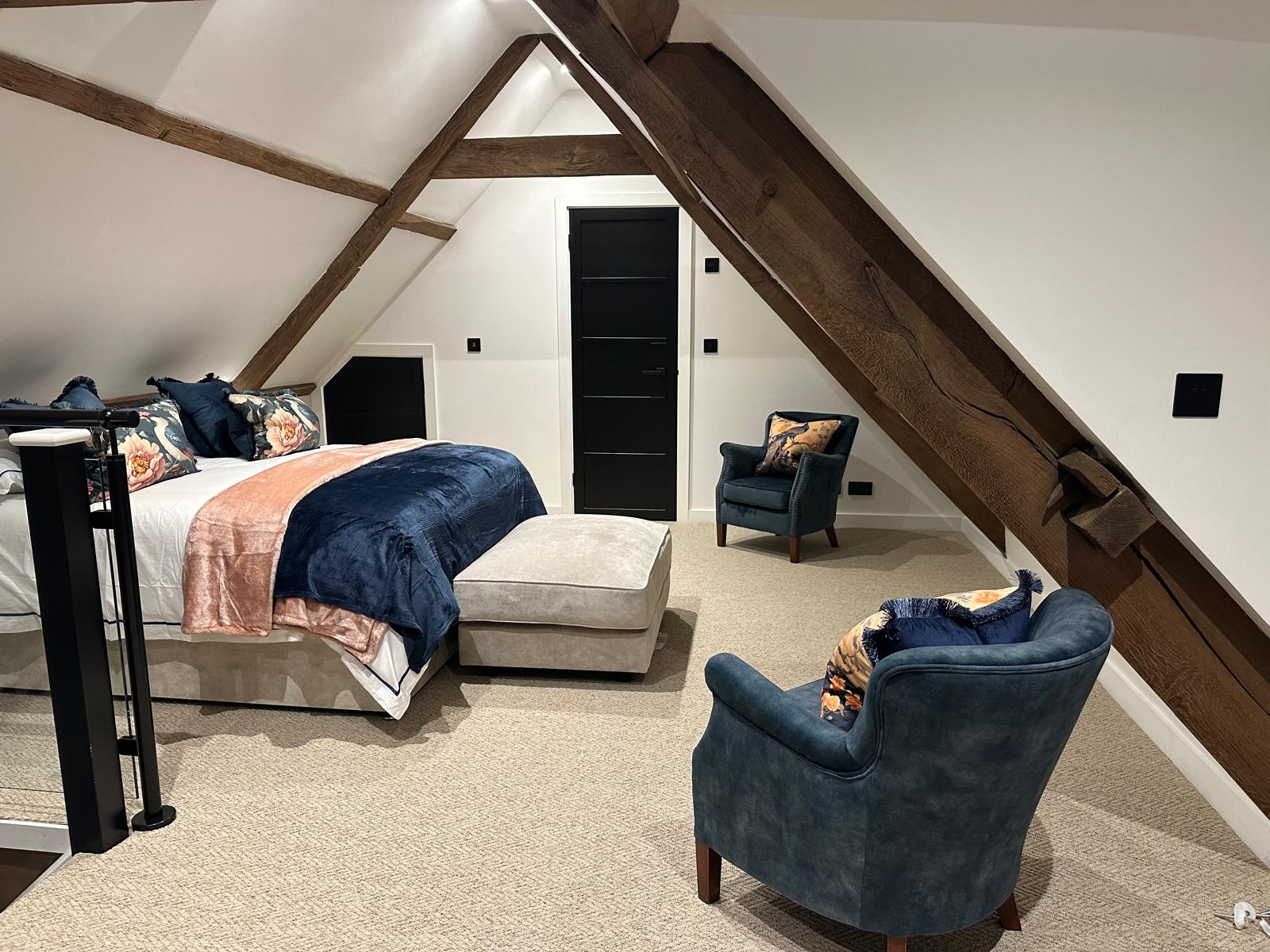
Converted loft bedroom with exposed timber beams | JSP Building Contractors Ltd

Talk to Jake about your home

Arrange a free quote and a no-obligation site visit with JSP Building Contractors Ltd. Explain what you want to change, share any plans or photographs and ask Jake about terms for the workmanship guarantee. The visit is an opportunity to agree a practical scope before deciding how to proceed.

CITB certified · Public liability insurance · Workmanship guarantee offered

One team. Your whole project.

Turnkey residential renovation and extension projects across Monmouthshire and South East Wales.

Call JakeRequest Estimate